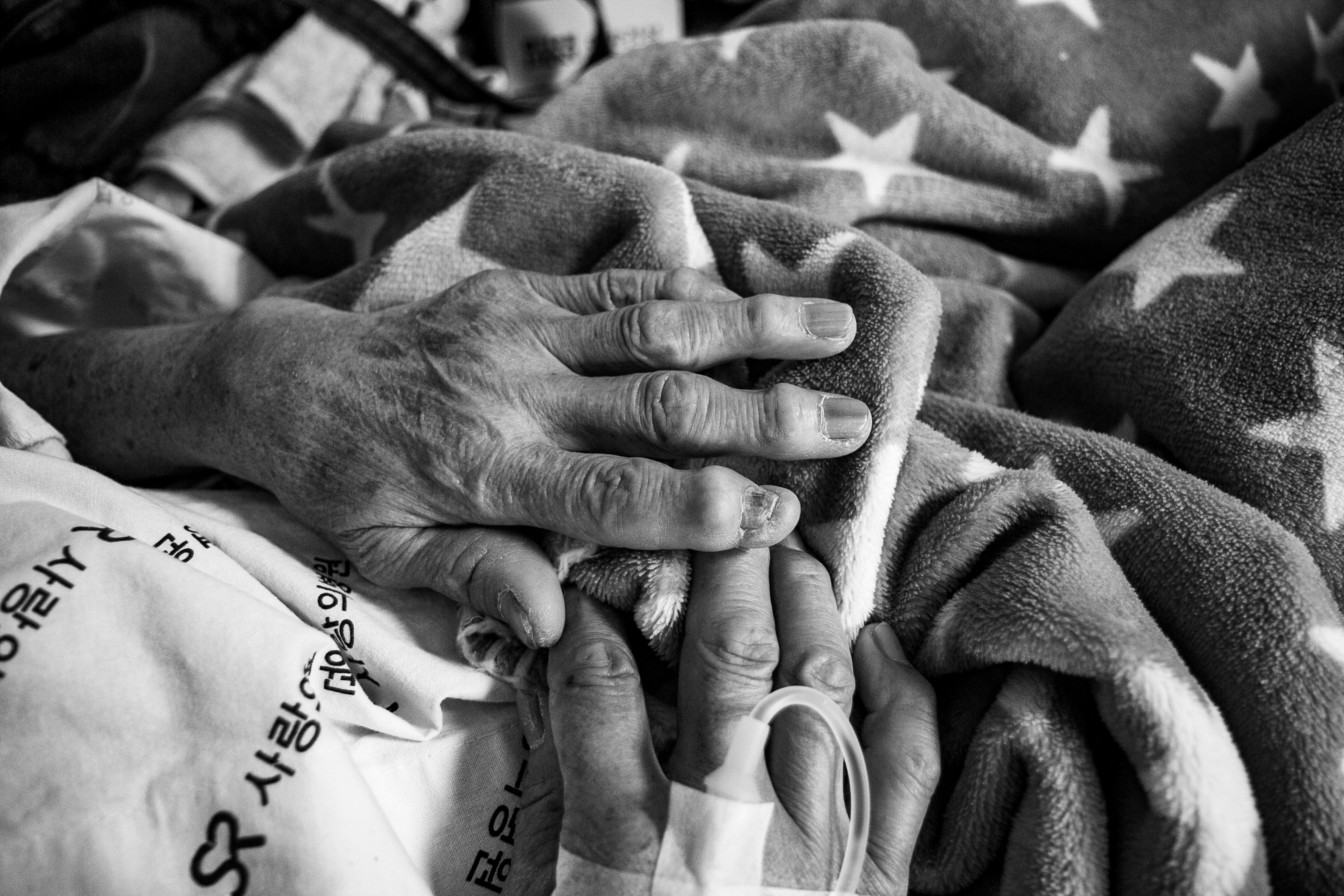
When a Loved One Gets a Diagnosis: A Family's First 72 Hours
The phone call comes. The doctor uses a word your family has dreaded — cancer, ALS, stage four, advanced. The room goes still. And then, before you have processed a single feeling, decisions start arriving.
What treatment? Which hospital? Which surgeon? Get a second opinion? How do we tell the kids? Who needs to know? When?
The first 72 hours are not for solving the disease. They are for stabilizing the family. Here is the order.
Hour 0–24: Receive, Do Not React
The diagnosis is information. The treatment plan does not start today. The first day is for absorbing what was said — not for decisions. Cancel non-essential commitments. Be home. Let the person who received the news lead the pace.
Do not Google extensively yet. Do not call ten friends. Do not start treatment research. Sit with the news for one day.
Hour 24–48: Build the Information Foundation
Now the work begins. Three actions:
- Get every document. Pathology reports. Imaging. Bloodwork. Doctor’s notes. Insurance documents. Request copies of everything. You will need them.
- Write down what the doctor said. From memory. Verbatim if possible. What was the exact diagnosis? What stage or grade? What was recommended? What was offered? Brain fog erodes this within days.
- Identify the team. Who is the primary specialist? Who are they referring to? What is the hospital system? Get names and direct phone numbers, not just office lines.
Hour 48–72: Build the Support Structure
Four roles to fill:
- The Note-Taker. One person whose only job at appointments is to write down everything. Not the patient. Not the spouse. A third person — a sibling, adult child, friend — who can be objective.
- The Researcher. One person who reads, asks, gathers, and brings clear information back. Not the patient. Not the primary caregiver. Someone with the bandwidth to focus.
- The Communicator. One person who handles the broader family — who calls, who texts, who keeps everyone informed. This protects the patient from telling the story fifty times.
- The Logistics Lead. Meals, rides, childcare, calendar. This person keeps daily life moving so the medical work can happen.
Get a Second Opinion. Always.
This is not distrust of the first doctor. It is standard practice. For any serious diagnosis, a second opinion from a different hospital system clarifies whether the recommended treatment is the only path — or one of several. Many patients change their treatment plan after a second opinion.
Consider the Full Menu
Conventional treatment. Integrative care. Functional medicine support. Hospice consultations if applicable. Faith-based community. Mental health support for both the patient and the family. You do not have to choose one path — most families benefit from a combined approach. Make sure no door has been closed prematurely.
What Not to Do
Do not let one doctor become the only voice. Do not let one family member dominate decisions. Do not skip the second opinion. Do not isolate the patient by treating them like glass. Do not pretend to your children that everything is fine when it is not.
One More Thing
This is the bridge that determines whether the next chapter is one of clarity or one of chaos. The first 72 hours set the tone for the months ahead. Move slowly. Stay close. Get help.
Need a navigator? Our Concierge can help you find second-opinion specialists, integrative practitioners, and family support — all in one call. Get help now →
