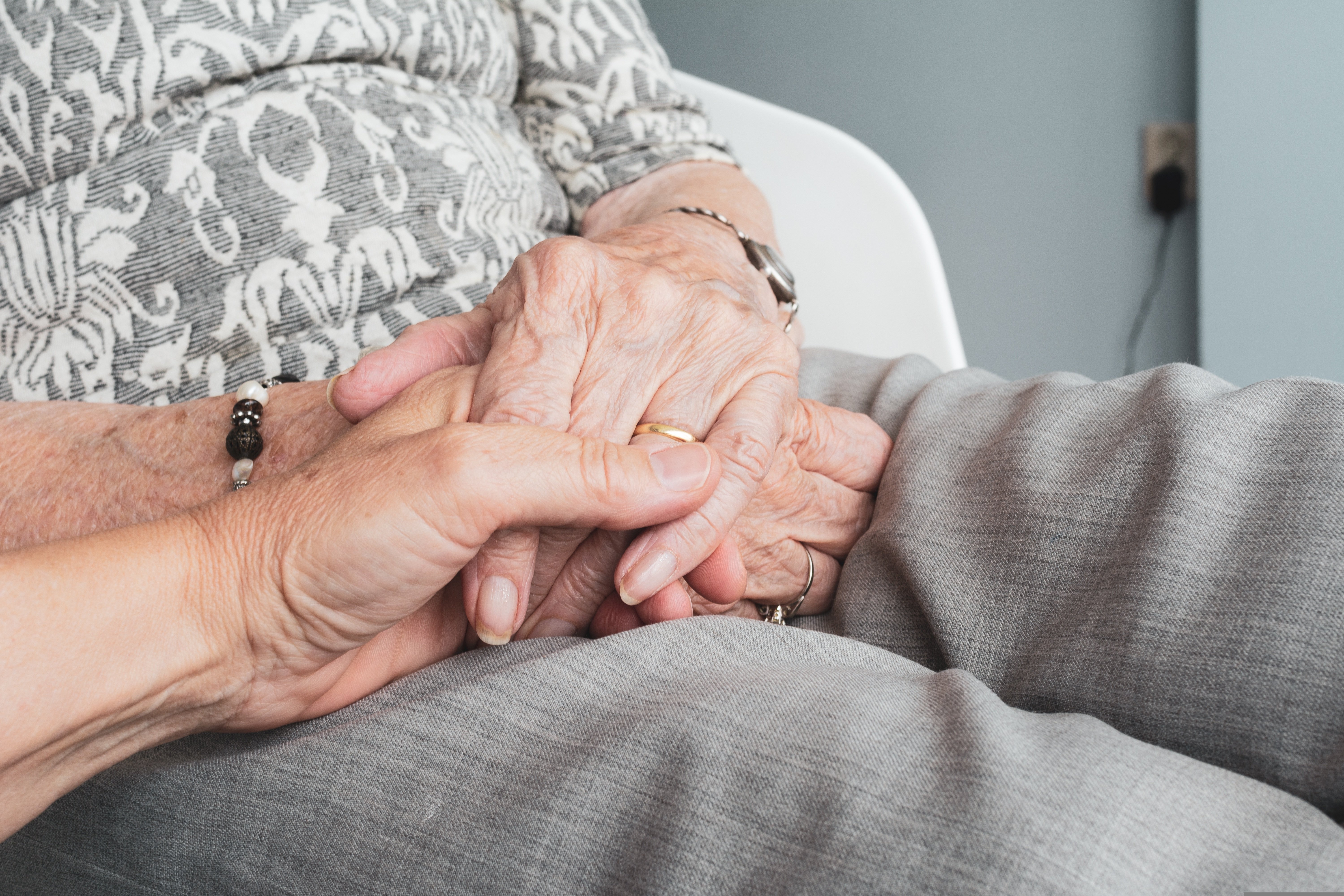
When You Become a Caregiver Overnight
You did not apply for this job. There was no interview, no training, no onboarding. One day you were going about your life, and the next day your mother had a stroke, or your spouse received a diagnosis, or your father stopped recognizing you — and you became a caregiver.
Forty million Americans are in this role right now. Most of them are exhausted, isolated, and quietly wondering how long they can do it. If that is you, this is for you.
The First Truth
You will burn out unless you build the structures to prevent it. Caregiver burnout is not a character flaw. It is a predictable outcome of giving more than you receive, for longer than your body and mind can sustain. The structures below are not optional.
1. Identify Your Replacements
The first task is making sure you are not the only one. Who else can sit with the patient for two hours? Who can run an errand? Who can be on call for emergencies? List five names. Then actually ask them. Most people want to help and do not know how. Asking is your job.
2. Schedule Your Off-Time Like It Is an Appointment
Two hours a week, on the calendar, non-negotiable. Walk. Read. Sleep. Coffee with a friend. Whatever restores you. This is not optional. It is the maintenance schedule that keeps you functional.
3. Accept Help Without Apology
When a friend offers to bring a meal, say yes. When a sibling offers to take a shift, say yes. When the church offers prayer or transportation or company, say yes. The instinct to handle it alone is the instinct that breaks caregivers. Receiving help is part of the work.
4. Find Your Lane
If you have siblings or family, divide the work explicitly. One handles medical appointments. One handles finances. One handles meals and logistics. Without explicit lanes, the dominant personality does everything and resents it, while the others feel shut out. Have the conversation.
5. Watch for the Warning Signs
Caregiver burnout looks like: persistent fatigue that sleep does not fix, irritability with the person you love, resentment, social withdrawal, weight changes, alcohol creeping up, depression that arrives without an obvious trigger. If any of these appear, do not wait. Talk to your doctor. Talk to a counselor. Bring help in.
6. Honor the Grief
Caregivers often grieve a person who is still alive — the parent who no longer recognizes them, the spouse whose personality has changed, the partner who can no longer engage. This is called anticipatory grief, and it is real. Naming it helps. Talking about it helps. Pretending it is not happening makes it worse.
What Most People Get Wrong
They wait too long to ask for help. They think they should be able to handle it. They confuse exhaustion with devotion. They lose themselves trying to save someone else.
You are not failing because you are tired. You are doing one of the hardest jobs in human life. Honor that — and build the structures to sustain it.
The Phrase to Remember
“I cannot pour from an empty cup.” It is a cliché because it is true. The strongest caregivers are the ones who care for themselves first — because they understand that the person they love depends on them being whole.
Need caregiver support? Our Concierge can connect you with respite care, counseling, and local support groups. Find help →
